

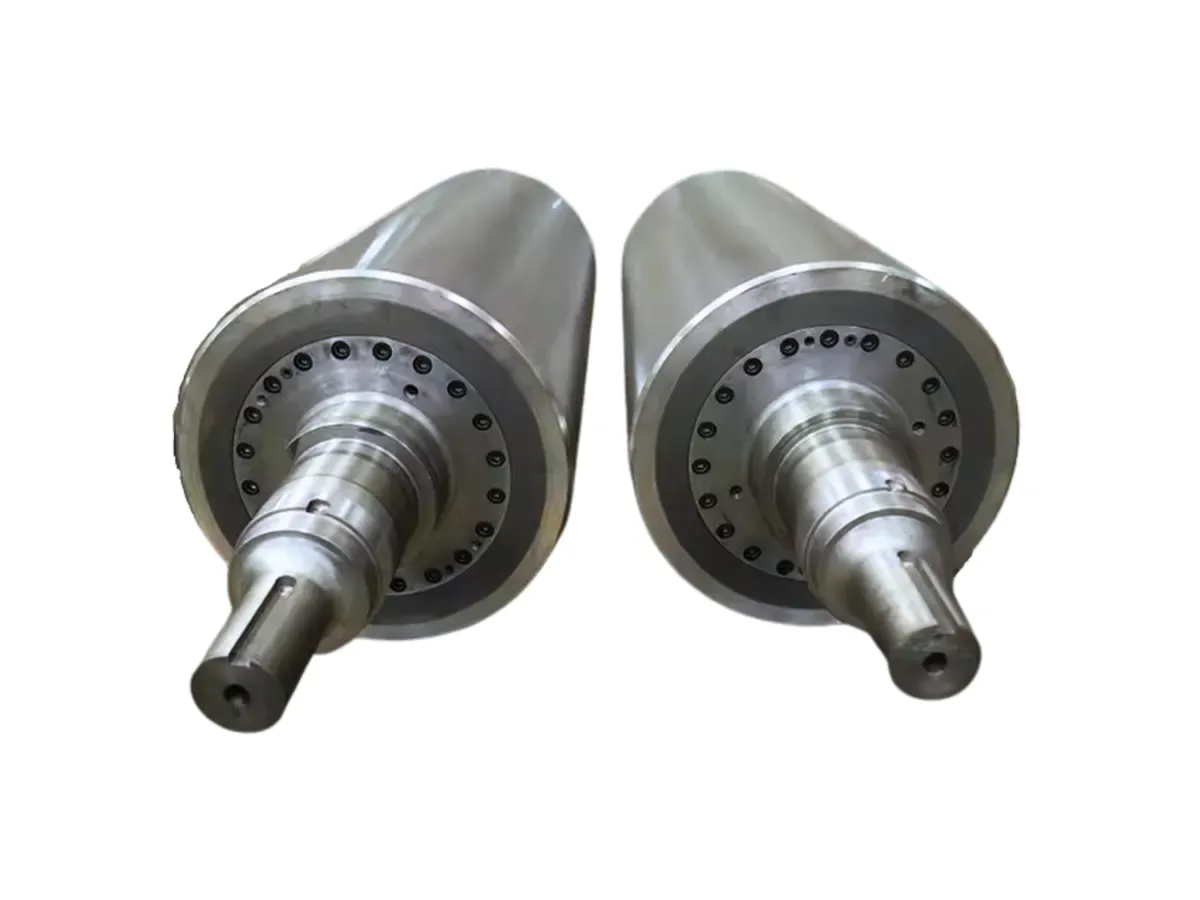
Flaking & Cracking Mill Rolls | Feed & Oilseeds | Bellaex
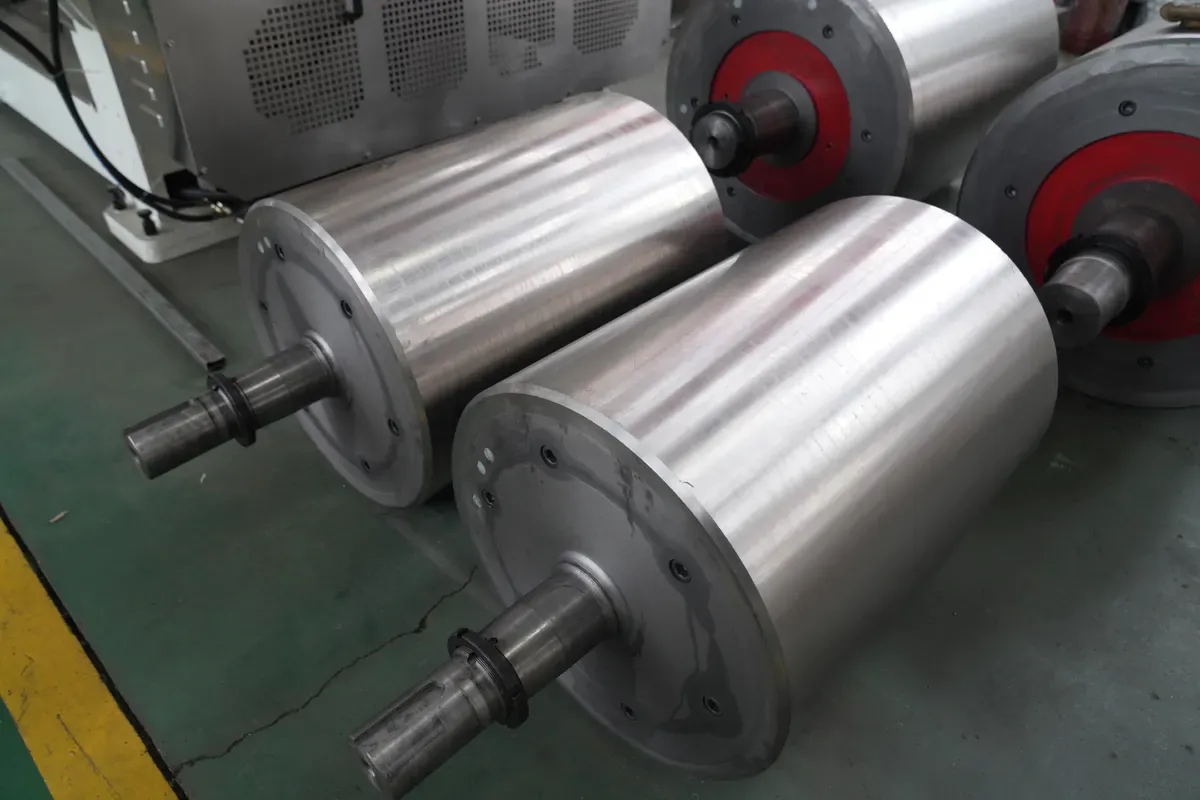
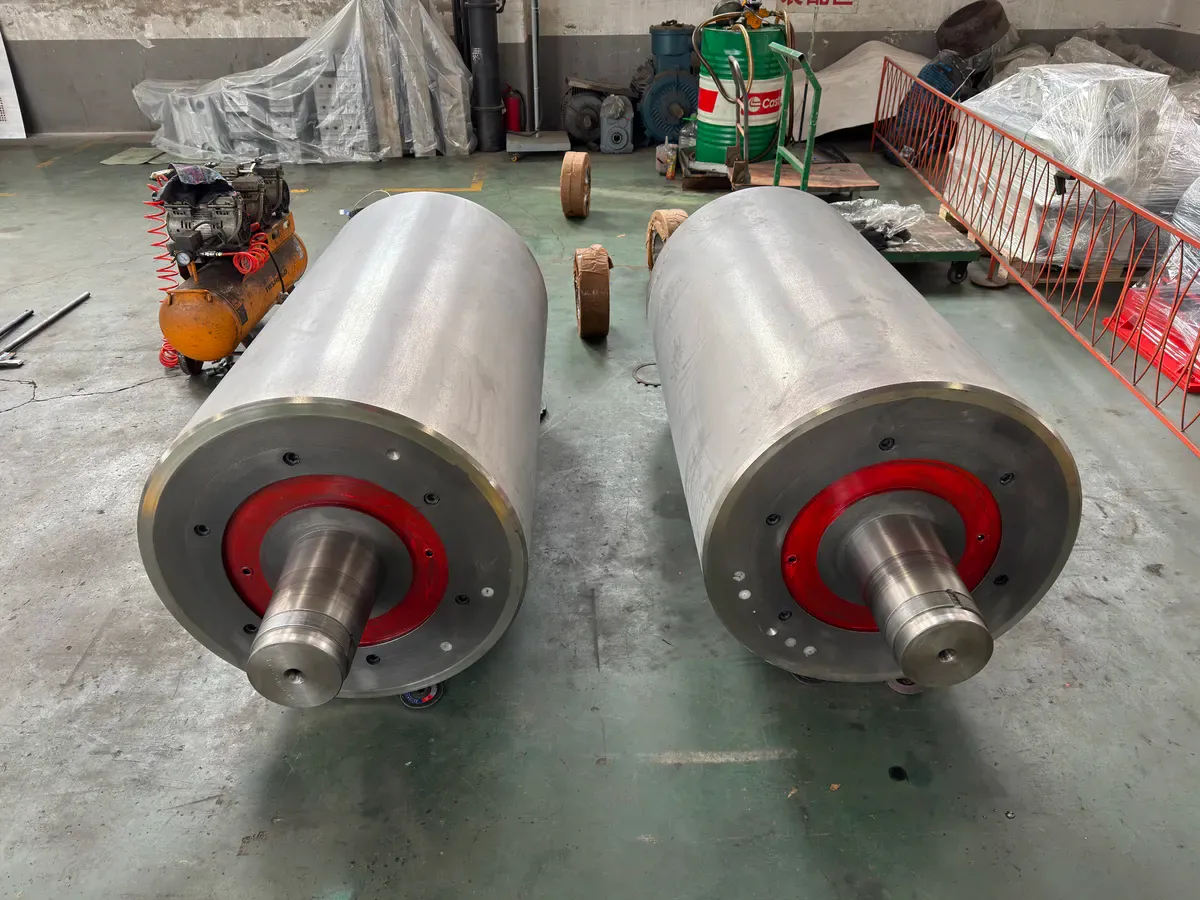
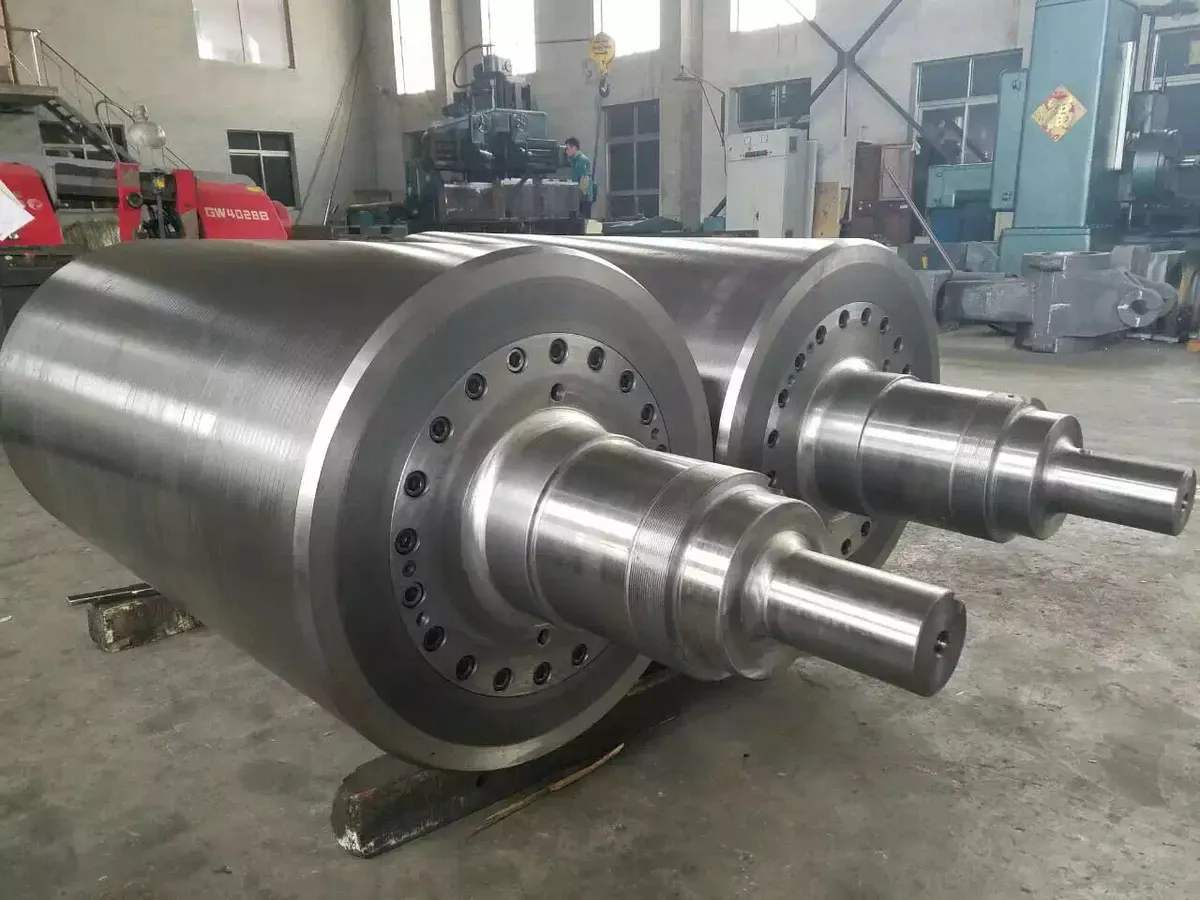
Flaking & cracking mill rolls for feed and oilseeds—precision-ground, hardened, and dynamically balanced for uniform flake thickness and low fines. Corrugated/smooth profiles, custom alloys, and regrind/corrugating services for corn, oats, barley, soy, and rapeseed.
Modle
The dimensions of the rolls correspond to the respective tablet presses, flaking rolls, and crushers.
Oilseed Flaking Rolls
Hardness :75+/-5
Material:High Nickel-Chromium-Aluminum Alloy
Sizes (Dia × Length, mm):
711*1750
711*1500
600*1500
600*1250
600*1000
600*600
400*1500
400*800
Hardness :75+/-5
Material:High Nickel-Chromium-Aluminum Alloy
Sizes (Dia × Length, mm):
815*2135
800*1500
800*1250
800*1000
600*1250
600*1000
600*800
600*600
400*800
400*600
Cracking Rolls
Hardness :69+/-3
Material:Nickel-Chromium-Molybdenum Alloy
Sizes (Dia × Length, mm):
305*1830
400*2100
400*1500
400*1250
400*1000
300*1250
300*1000
250*1250
250*1000
250*800
250*600
processing technology
Electric Furnace Melting
Starting point of production. Selected metallic charge materials for roll manufacture are charged into an electric furnace and melted using electrical energy. Furnace temperature, melting time and chemical uniformity are tightly controlled to obtain a homogeneous molten metal ready for subsequent forming.
Melt Sampling
During melting, small quantities of molten metal are extracted with dedicated samplers. These samples are used to verify that the chemical composition meets specification before casting proceeds.
Spectrochemical Analysis (OES)
The taken melt samples are analyzed by optical emission spectrometry to precisely determine elemental contents. Results are compared with target ranges; if deviations appear, furnace additions or adjustments are made to ensure consistent product quality.
Centrifugal Casting
Approved molten metal is poured into a rapidly rotating mold. Centrifugal force distributes the metal against the mold wall forming a dense, uniform roll shell (rough casting). This process enhances internal soundness and structural homogeneity.
Rough Casting Storage
The freshly cast roll blanks are transferred to a controlled storage area (rough casting warehouse) where environmental conditions prevent corrosion or mechanical damage while awaiting machining.
Rough Machining
Initial mechanical machining removes surface allowances, risers or excess material from the casting to bring the roll blank closer to its design envelope and provide reference surfaces for precision operations.
Keyway Machining
Precision milling or cutting of keyways (key seats) on the roll (or shaft) to specified dimensions and tolerances, ensuring accurate fit and torque transmission in later assembly.
Finish Turning
High-precision turning of the roll body to achieve required diameter, concentricity and low surface roughness, laying the foundation for later finishing steps.
Drilling
Drilling of specified holes (e.g., for cooling, mounting, or instrumentation) with controlled position, diameter and depth using appropriate drilling equipment and tooling.
Semi-Finish Turning
Additional turning to refine geometry and dimensions after prior operations, reducing remaining allowances and preparing surfaces for heat treatment or subsequent precision steps.
Roll Body and Spindle Press-Fitting
Assembly stage where the roll body is press-fitted with its spindle (roll neck/shaft) using hydraulic or mechanical presses to achieve a secure, interference-fit connection assuring operational stability.
Quench & Temper Heat Treatment (Roll Neck Conditioning)
Combined heat treatment (austenitizing, quenching, tempering) applied to the assembled roll neck region to enhance mechanical properties such as strength, toughness and wear resistance for service loads.
Boring
Precision enlargement and finishing of existing internal holes using a boring machine to achieve tight dimensional, geometric and surface finish requirements for proper fit and alignment.
Grinding
Cylindrical (and/or face) grinding removes residual machining marks, corrects minor geometric errors, and produces a high-quality surface finish critical to rolled product quality and roll performance.
Grooving (Fluting / Pass Forming)
Machining or forming of specific grooves, flutes or pass profiles on the roll surface according to rolling process requirements to control material deformation and guidance during rolling.
Dynamic Balancing Test
Rotational testing to measure and correct imbalance. Mass adjustments (e.g., drilling, adding weights) are performed so the roll runs smoothly at operating speeds, minimizing vibration and noise, extending service life.
Final Product Inspection
Comprehensive quality inspection covering dimensional accuracy, surface condition, internal integrity (e.g., NDT), and compliance with customer and standards requirements before release.
Hardness Testing
Measurement of surface and (where required) subsurface hardness using Rockwell, Brinell or other methods to verify that hardness values fall within specified design ranges ensuring performance.
Wooden Crate Packing
Conforming rolls are protected with tailored wooden crating to prevent impact, abrasion and corrosion during handling, storage and transport, ensuring safe delivery to the customer.
BellaEx Rolls Solution
Trusted Roll Solutions: Alloy & Chill Rolls for Steel and Milling | Bellaex
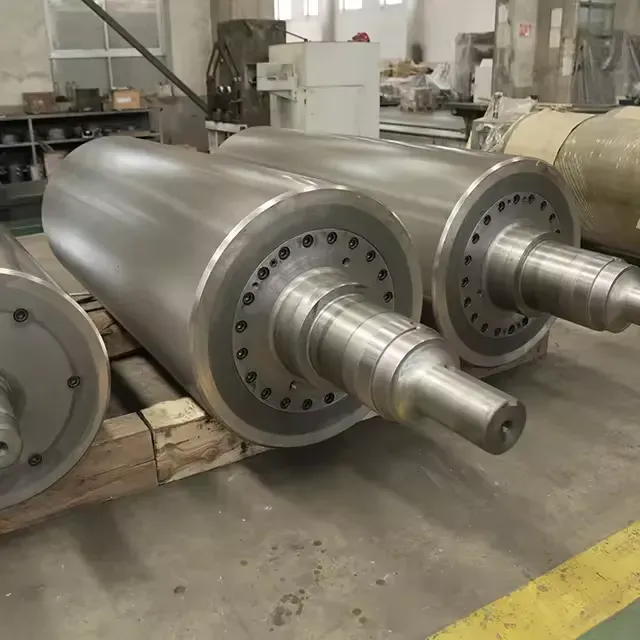
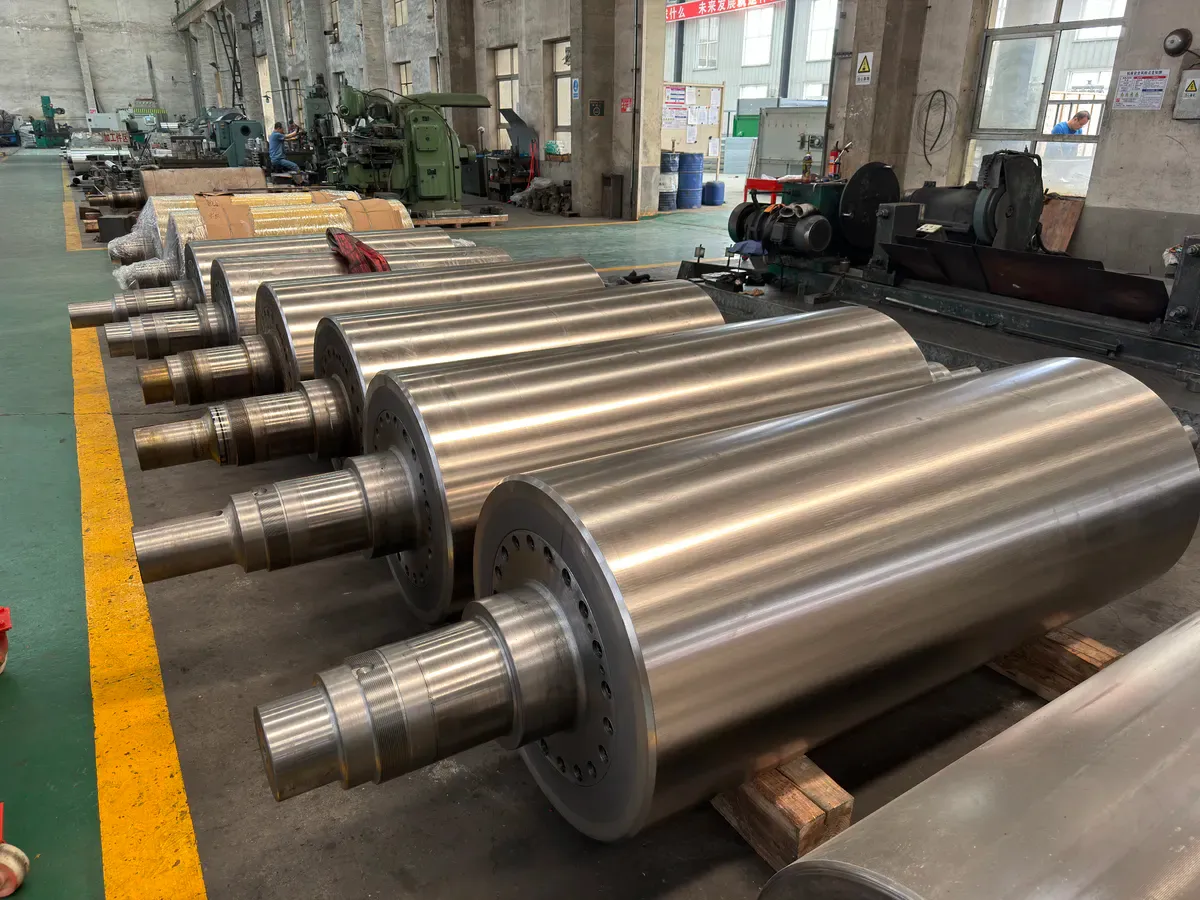
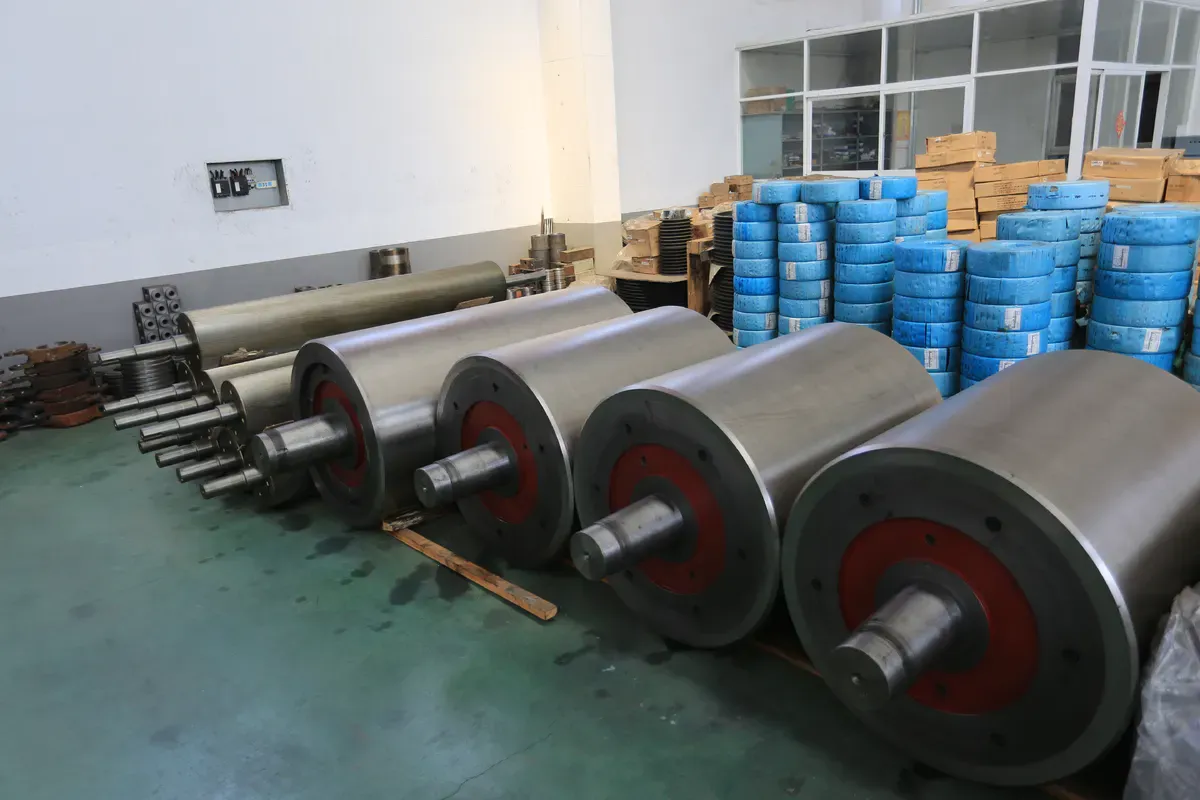
Photos
Videos
Contact BellaEx for videos of this equipment or project.